- Life of Excellence Podcast
- Posts
- Decode Your Body’s Hidden Language with Continuous Glucose Monitor
Decode Your Body’s Hidden Language with Continuous Glucose Monitor
with Dr. Daniel Stickler, M.D.

Daniel Stickler
December 10, 2024
"When diet is wrong, medicine is of no use. When diet is correct, medicine is of no need."
- Ayurvedic Proverb
Biotech To Optimize Health
Remember when understanding your blood glucose required frequent finger sticks and every 3-month blood work? Well, those days are over. Today, we're diving into what I consider one of the most powerful tools in modern health optimization: Continuous Glucose Monitors (CGMs). And trust me, this isn't just another biohacking device – it's one of the most valuable tools for optimizing healthspan and performance.
Why Should You Care About Your Glucose? 🤔
Here's the thing: your blood sugar isn't just about diabetes anymore. It's the story of how your body responds to everything – from that morning croissant to your last-minute workout. Think of it as your body's Instagram story, updating in real-time about how it feels about your choices.
Breaking Down the CGM Drama 📊
Let's make this super practical. Most people do not really understand the nuances of the data and I am about to make that easy for you. When you slap on a CGM, you're about to discover:
The Spike Saga 📈
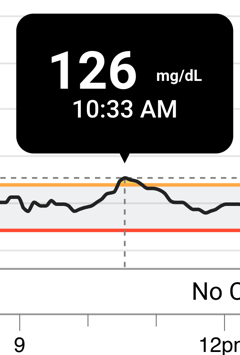
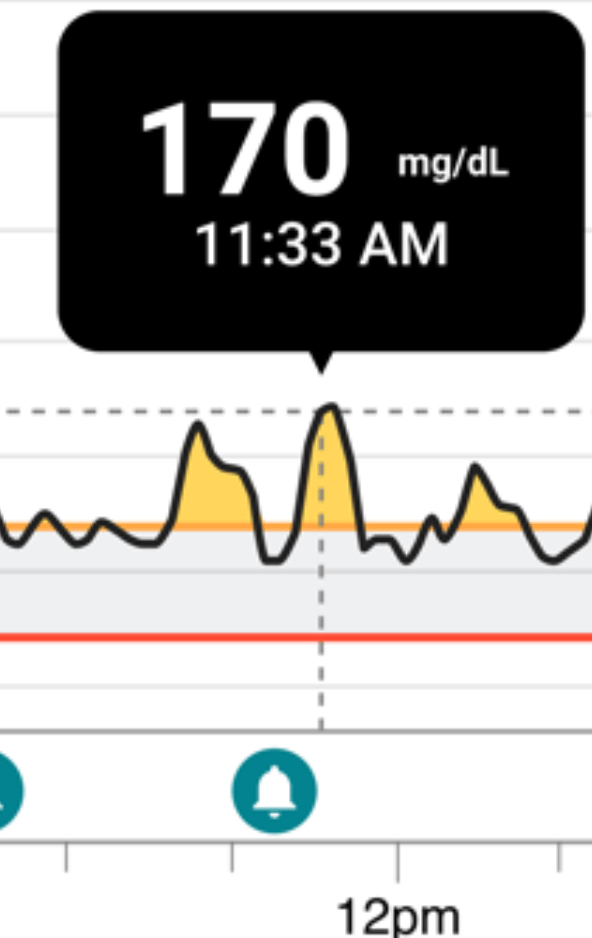
Remember riding roller coasters? Your blood sugar shouldn't feel like one! We're looking for gentle hills, not Mount Everest. When you see a spike above 130 mg/dL, your body's basically feeling like the fire alarm just went off. A rapid rise in blood sugar after a meal is really bad for insulin sensitivity and inflammation, you want to have a slow gradual rise in blood sugar after a meal that gently and quickly returns to baseline.
This is the smoother sailing, a gradual rise from a 10am meal, a spike under 130mg/dL and a gradual return to baseline:
While this is the rollercoaster, stressing the metabolic system, stressing the entire body and creating massive inflammation and insulin resistance:
The Time-in-Range Tango 🎯
Think of this as your metabolic GPA. We're aiming to keep your glucose between 70-130 mg/dL for at least 90% of the day. It's like keeping your car in the perfect lane – not too fast, not too slow.

This represents a Zen calmness of the metabolic system. Whereas the graph below is a schizophrenic metabolic system that will be stressed and highly inflammatory.

The After-Party Effect 🕒
What happens after you eat is just as important as what you eat. We call this "Area Under the Curve" (fancy, I know), but think of it like measuring the size of the wave your meal creates. Smaller waves = happier body.
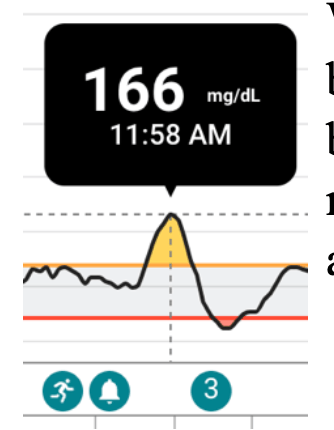
What we see here is a high glycemic meal that rapidly spikes the blood glucose, the body is then stressed and overcompensates by secreting too much insulin and the blood sugar drops precipitously (below the red line) which then drives a craving for more simple sugars due to hypoglycemia. This is a super stressful event on the body and leads to high inflammation.
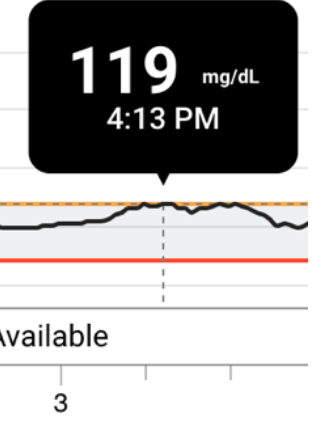
This was a spaghetti beef and cheese dinner at 3pm followed by a two mile walk. Normally this meal would spike my blood sugar to well over 140mg/dL and by adding the after dinner walk, I was able to blunt the peak to under 120mg/dL.
Cool Tricks I've Learned From My CGM 🧪
The Walk-it-Off Win: A 15 to 30 minute stroll after meals can cut your glucose spike by up to 30%. It's like having a metabolic eraser!
The Protein Power-Up: Having protein before your carbs will dilute and slow the absorption of those simple carbs and blunt the rapid rise.
The Fiber First: Adding fiber to your meals is like installing speed bumps for your glucose – slows everything down in the best way possible.
Your CGM Cheat Sheet 📱
Want to become a CGM pro? Here's what those numbers really mean:
Fasting Glucose: Aim for 70-90 mg/dL (your body's morning check-in)
Post-Meal Peaks: Keep them under 130 mg/dL (your body's stress test)
Daily Variation: Less is more (sailing on small rolling waves, not choppy waters)
The Plot Twist 🌟
Here's what most people don't realize: Your CGM isn't just about glucose – it's telling you stories about:
Your stress levels (yes, that work meeting shows up!)
Your sleep quality (morning numbers don't lie)
Your exercise timing (when to fuel, when to fast)
Your personal food compatibility (because your friend's perfect meal might be your glucose nightmare)
Next Level Moves 🚀
Ready to play? Try these experiments:
Eat your usual breakfast, but take a 20-minute walk right after. Watch the difference!
Try eating your meal components in different orders (veggies and protein first, anyone?)
Compare your morning coffee with and without fat/protein
Coming Up Next Week... 👀
Get ready for our deep dive into how different types of exercise show up on your CGM – and why some workouts might be working against your goals!
Your Action Steps This Week 📝
Start noticing patterns (morning highs? afternoon crashes?)
Experiment with meal timing and combinations
Pay attention to your stress levels and their glucose impact
If you are wanting to try this out yourself, you can now order CGM’s without a prescription at www.Stelo.com – only $99 for 30-days of monitoring.
Remember: You're not just tracking numbers – you're decoding your body's secret language. And trust me, it has some pretty interesting things to say!
Key posts from this past week:
Keep exploring, Dr. Dan
P.S. Got a wild CGM discovery story? Hit reply and share it! I love hearing how these devices are changing the game for our community. 🎮